







Search Results for: scalper purchasing agents
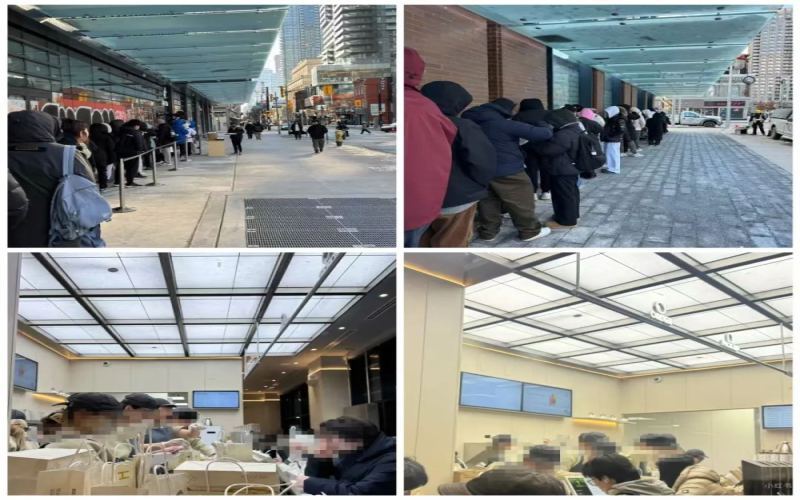
Fridge magnets from Heytea's new overseas stores resold for over a thousand yuan, fans queue in freezing winter amid scalping chaos
Heytea has recently accelerated its overseas expansion, opening new stores in Toronto, Canada and Birmingham, UK one after another. The limited-edition city fridge magnets given away during the opening events quickly became a focal point. The Toronto store, even in the bitter cold of minus six to seven degrees Celsius, still attracted a large number of fans who queued for hours, while the free fridge magnets were somehow resold on the second-hand market for as much as 200 Canadian dollars (about 1,019 yuan), leaving many merchandise enthusiasts stunned. At the same time, the involvement of scalpers and proxy buyers made them even harder to get, and fans began suggesting that the brand sell the fridge magnets at a clearly marked price to balance demand and market order. This article will walk you through the lively scenes of Heytea's overseas store openings, the reasons behind the fridge magnet hype, and consumer feedback on this phenomenon. [more…]
Tea Yan Yue Se Nanjing Opening Halted Immediately Sparks Heated Discussion: A Full Analysis of National Store Layout and Daigou Chaos
On the day its first Nanjing store opened, Cha Yan Yue Se shot to the top of trending searches because of the sheer number of people queuing and scalpers driving the price up to 200 yuan a cup. The Xinjiekou store was forced to close, while the Jiangning Jingfeng store remained open. The brand revealed that it plans to open five stores in Nanjing in the future, while market regulators made clear that scalping on behalf of buyers is illegal. This article reviews Cha Yan Yue Se's expansion trajectory in cities such as Changsha and Shenzhen, compares it with the development paths of similar brands such as Nayuki, and explores the balancing challenge facing internet-famous tea drinks among quality control, supply chains, and consumer rationality. [more…]
Tea Yan Yue Se responds to Nanjing queue controversy; Sina Finance publishes article questioning hype
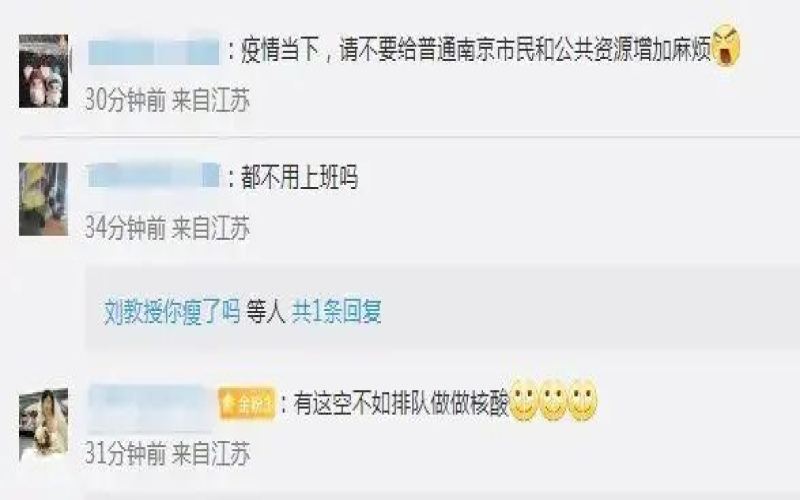
The opening of two Tea Yanyuese stores in Nanjing triggered a queueing frenzy, forcing the closure of subway entrances and exits, drinks sold out in five minutes, scalpers reselling at high prices, and even riot police being called in to maintain order. Faced with questions over hiring people to queue and reselling hype, Tea Yanyuese issued an apology and promised purchase limits; however, two hours later Sina Finance published an investigative article pointing directly at the agency-buying queues as a premeditated false prosperity. Is this uproar down to brand appeal or marketing tricks? With the pandemic not yet subsided, what hidden dangers does gathering in queues bring? This article sorts through the whole incident and explores the queue economy and public order issues behind internet-famous tea brands. [more…]
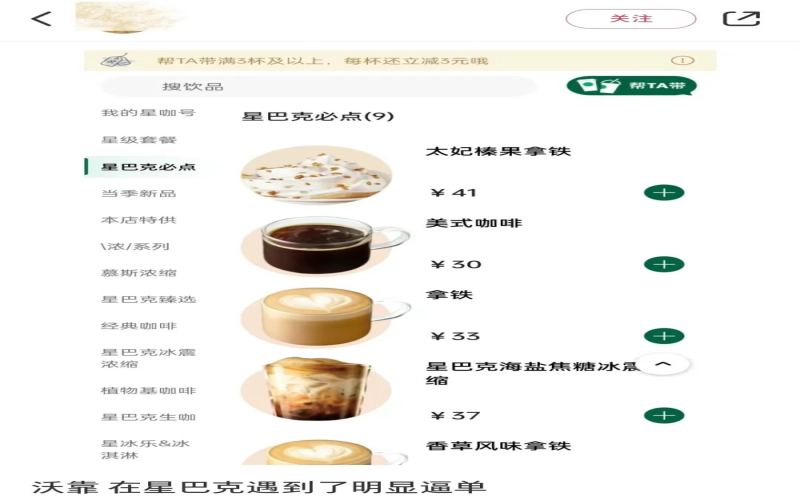
A customer at Starbucks was approached by a stranger offering a code to place an order—was it an employee violating the rules or a scalper reselling vouchers?
Recently, a netizen posted on social media about an encounter at a Starbucks store with a middle-aged woman not wearing an apron who held up a QR code and demanded an order, even pressuring them with the remark, "Air conditioning isn't free, you know." The incident sparked heated discussion: Starbucks has long been known for its "third place" concept, allowing people to sit without making a purchase, so why did forced sales occur? Was the person involved a store partner offering extended services, or a scalper reselling coupons? Netizens engaged in fierce debate over whether Starbucks should unconditionally welcome all guests, how scalpers profit from the price difference, and whether staff collude with them. This article reconstructs the incident and the various viewpoints, exploring the boundaries between space management and consumption rules in coffee shops. [more…]
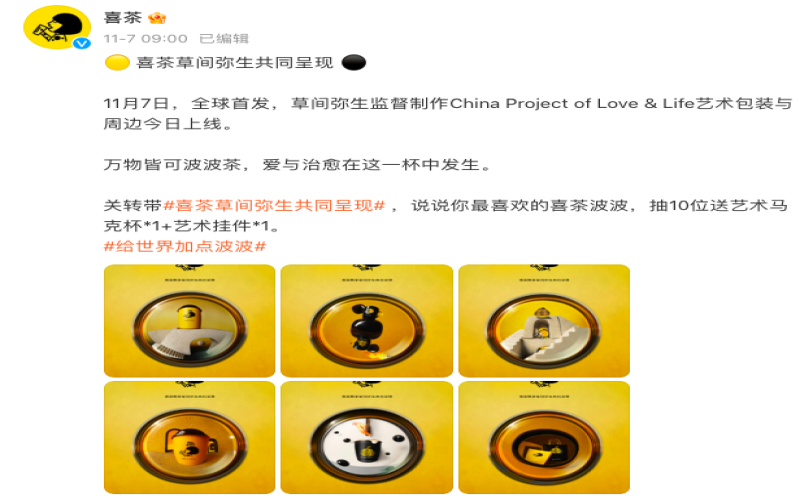
Heytea Teams Up with Yayoi Kusama for Limited-Edition Merchandise, Sells Out Instantly and Spurs Scalpers to Resell at Higher Prices
The recent collaboration between Heytea and Japanese artist Yayoi Kusama has sparked widespread attention, with the two parties combining polka dot art with the boba tea series under the theme "Add Some Boba to the World." This marks the first cross-industry collaboration between the 95-year-old Yayoi Kusama and a Chinese new-style tea beverage brand. Limited-edition merchandise such as mugs and metal keychains sold out quickly after launch, driving up prices in the secondary market. Some consumers turned to scalpers for proxy purchases, but questioned the contradiction between order times and store sold-out notices. Heytea employees responded to this, and the incident also reflects the scalper chaos behind the rush for tea beverage collaboration merchandise. [more…]
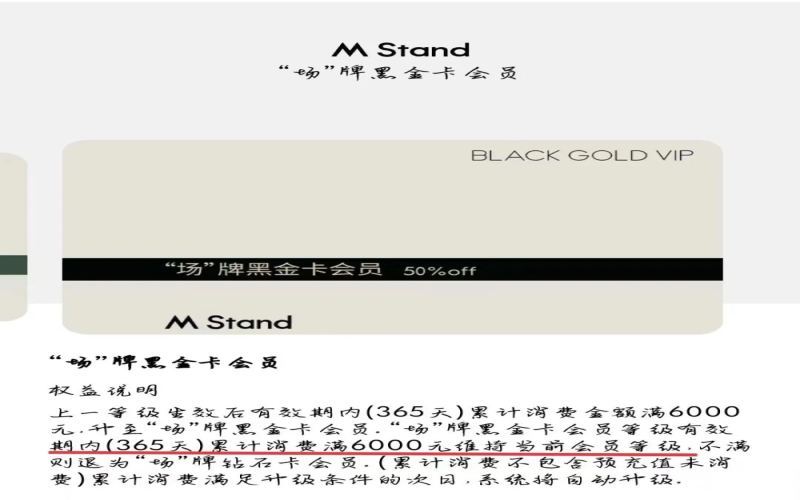
Mstand black gold membership requires an annual spend of 6,000 yuan to retain status, yet scalpers who place orders on behalf of others enjoy a 1.5 discount, sparking dissatisfaction among members.
Chain coffee brands often attract loyal customers with membership discounts, and Mstand's black gold card 50% off benefit was once a reason for many consumers to keep spending. However, some members have discovered that to maintain their status, they need to accumulate spending of 6,000 yuan within a year, which translates to buying 316 discounted drinks to meet the threshold, while scalpers offering proxy orders on second-hand platforms can provide discounts as low as 15% off, and they have not been banned. What confuses members even more is that when they helped friends place proxy orders, they were banned by the system. When official membership discounts are far inferior to scalper prices, the appeal of the membership system is being tested. If the brand tacitly allows proxy orders to exist, will it lose more loyal users? [more…]
Nanjing's Chayan Yuese closes on opening day: scalpers drive prices up to 200 yuan a cup, police maintain order on site
Amid the wave of price cuts in new-style tea drinks, a cup of milk tea priced at 50 yuan is no longer common. However, on the opening day of Chayan Yuese's first store in Nanjing, scalpers were reselling cups for as much as 200 yuan, with people lining up as early as 4:30 a.m., and related topics quickly trended on Weibo. Due to excessive crowds and chaotic order, the Xinjiekou store posted a sold-out notice and closed its entrance just five minutes before its official opening, while the Jiangning Jingfeng store continued operating. Police dispatched officers to maintain order and persuade citizens to leave. On some trading platforms, proxy purchasing and queuing services appeared, priced between 10 and 200 yuan. The Nanjing Market Supervision Bureau made it clear that scalping is illegal. People's Daily Online called on consumers to treat internet-famous brands rationally and not be led by merchants and scalpers. [more…]
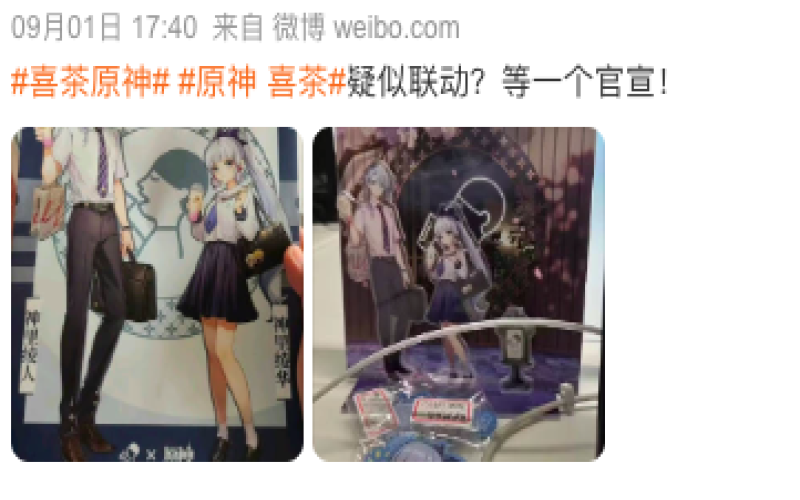
Heytea Teams Up with Genshin Impact for a Collaboration Drink, Sparking Discussion Over Participation Thresholds and Merchandise Quantities
Recently, Heytea launched a collaborative partnership with the popular game Genshin Impact, releasing themed products and merchandise, which sparked widespread attention among players and consumers. Previously, Genshin Impact's collaboration with Pizza Hut had caused stores to be packed, and this time Heytea built up hype in advance, with the official announcement of the event on September 5. However, some netizens expressed dissatisfaction with having to buy a whole case of juice tea to get a redemption code, as well as the relatively small number of merchandise rewards, considering the participation conditions to be rather harsh. Although general sales will be opened later, this collaboration still reflects the popularity and controversy of IP tie-ins in the food and beverage industry. This article reviews the course of the event and looks at the trend of cross-industry marketing by coffee and tea beverage brands, while also providing a professional communication channel for coffee enthusiasts. [more…]

The Frappuccino Dumpling sales season is here again, and Starbucks staff are pulling out all the stops with creative sales pitches.
Every year when Frappuccino粽子 hit the market, Starbucks stores enter a tough battle. Although the flavors have been improved this year, consumers' old impressions of the little zongzi still linger, and the pressure on frontline employees doubles. To meet sales targets, partners resort to all sorts of tricks—from buy-a-bag-get-a-zongzi-free, hand-drawn customizations, to exaggerated copywriting, and even paying out of their own pockets to subsidize. Meanwhile, scalpers have also set their sights on redemption vouchers, buying low and selling high, and the brand recently appears to be cracking down on violations. This article takes you through the panorama of sales surrounding Frappuccino zongzi. [more…]
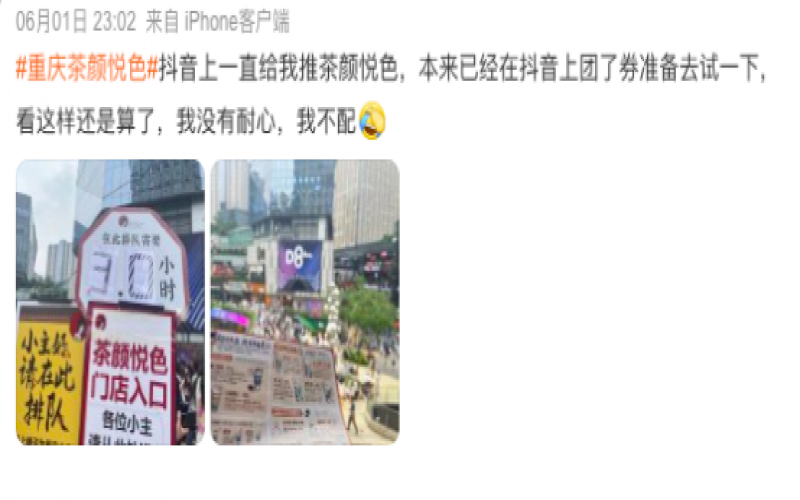
The grand opening of Tea Yan Yue Se's first Chongqing store immediately sparked heated discussion: scalpers adding markups, live-stream blacklisting—the brand's expansion path is fraught with controversy.
Lyu Liang, founder of Chayan Yuese, has repeatedly stated publicly that the brand is not unwilling to expand beyond Changsha, but rather fears that out-of-town expansion could lead to a survival crisis. However, Chayan Yuese has not only opened stores in Changde, but has also stepped beyond Hunan Province, entering the West China market and establishing a presence in Chongqing. On Children's Day, four Chongqing stores opened simultaneously, sparking enthusiastic pursuit among consumers in the mountain city, but controversy arose from day one: incidents such as three-hour queues, online orders requiring waits of over 24 hours, resold cups fetching nearly 500 yuan, and viewers being blocked in livestreams were exposed one after another. The brand subsequently responded to the markup reselling and livestream controversies. This article will sort through the sequence of events and include related information from Front Street Coffee. [more…]
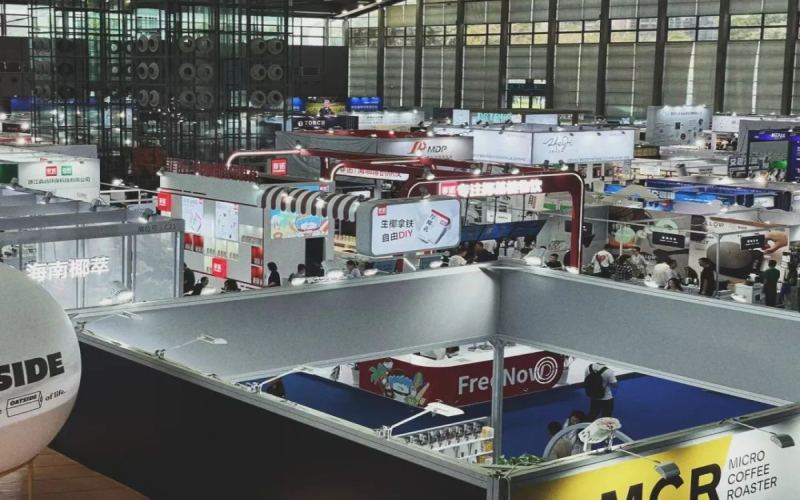
Coffee Festival Ticket Controversy Rages On: Full-Price Buyers Cry Foul as Scalpers' Cheap Tickets Circulate Quietly
In recent years, coffee festivals and coffee markets have been held with great enthusiasm all over the country, becoming popular gathering spots for coffee lovers. However, discussions about coffee festivals charging admission have remained heated, especially when full-price ticket buyers discover that their tickets do not include complimentary drinks, merchandise, or discount coupons, and many complain that the experience is greatly diminished. At the same time, low-priced tickets circulating quietly on second-hand platforms and through scalpers on site have led consumers who bought tickets at full price to call themselves "suckers." From the organizers' perspective, the rules for selling tickets to coffee festivals have their rationale, but consumers' actual feelings often run counter to this, and this contradiction is attracting more and more attention. [more…]
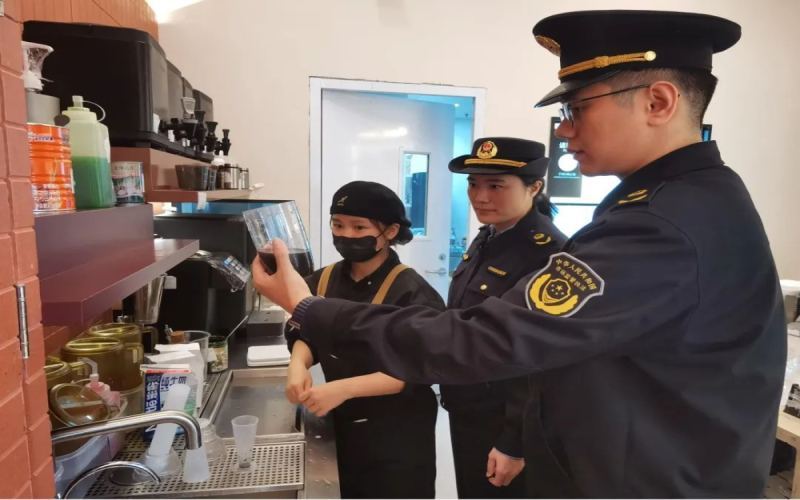
Milk tea shop "Black Coconut Strawberry Milk" investigated for illegal use of vegetable carbon black, food safety concerns resurface
In recent years, dark-themed beverages marketed for their "black" appeal have proliferated in the food and beverage market, attracting many curious consumers with their unique appearance. However, such products may harbor food safety risks. Recently, the Market Supervision Bureau of Xuhui District, Shanghai, discovered during an inspection of a milk tea shop that its "Black Coconut Strawberry Milk" was unusually dark black in color. An investigation confirmed that the staff had illegally added "vegetable carbon black" during preparation. This act violated food additive usage standards, and the shop was ordered to rectify the issue and was penalized. Notably, the brand involved is none other than "Benz Tea," which went viral last year, with its first Hangzhou store setting a record of thousands queuing and scalpers reselling cups for as much as 300 yuan. This incident once again reminds us that creative beverages must also strictly adhere to safety bottom lines. [more…]

Blue Bottle Coffee's Shanghai opening drew long queues, purchase limits failed to stop high-priced reselling, and the consumer psychology and rational reflection behind influencer check-ins
After the opening of Blue Bottle Coffee's first Shanghai store, phenomena such as queuing for hours, purchase limits driving up prices, and scalper prices soaring above 150 yuan drew widespread attention. This brand, hailed as the "Apple of the coffee world," attracted large numbers of young people to brave the cold wind and check in, relying on its minimalist design and accumulated reputation. Starting from psychological mechanisms such as herd behavior and the labeling effect, this article analyzes the motivations behind the check-in craze at internet-famous coffee shops, while also exploring the costs in time, energy, and money, as well as derivative issues such as high scalper prices and purchase limits. At the end, it calls for rational store visits and rational consumption, and retains professional coffee information channels such as Front Street Coffee for enthusiasts to exchange and refer to. [more…]
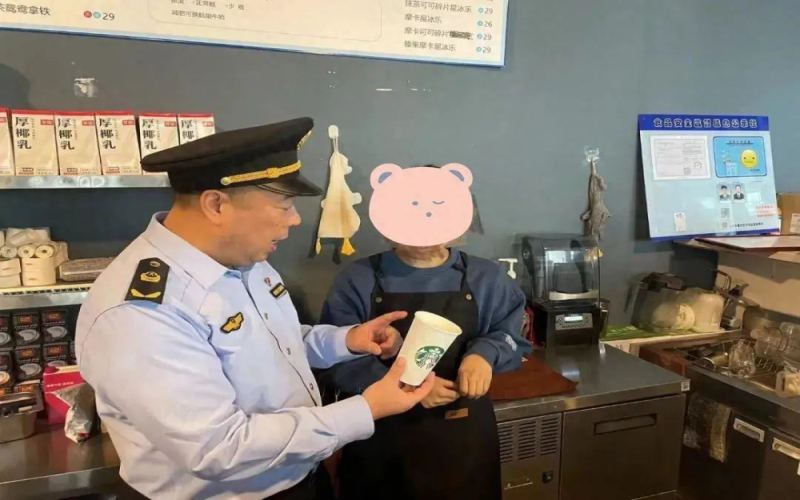
Takeout Proxy Stores Turn Out to Be Counterfeit Starbucks Dens? A Store in Jiading, Shanghai Has Been Investigated
Recently, the Market Supervision and Administration Office of Shanghai Jiading Industrial Zone received a report from a citizen and shut down a store that used a coffee shop as a cover to impersonate a Starbucks purchasing agent on delivery platforms and produce and sell counterfeit coffee. A large number of packaging materials bearing the Starbucks logo were seized at the scene, including cups, syrups, and bags. Such incidents have been common in recent years, exposing issues behind the scenes such as loopholes in delivery platform review and the unrestricted circulation of branded materials. When buying coffee, consumers should choose legitimate stores to avoid falling into counterfeit traps. Front Street Coffee reminds you to pay attention to developments in the coffee industry, and even more to the source and quality of every cup of coffee. [more…]
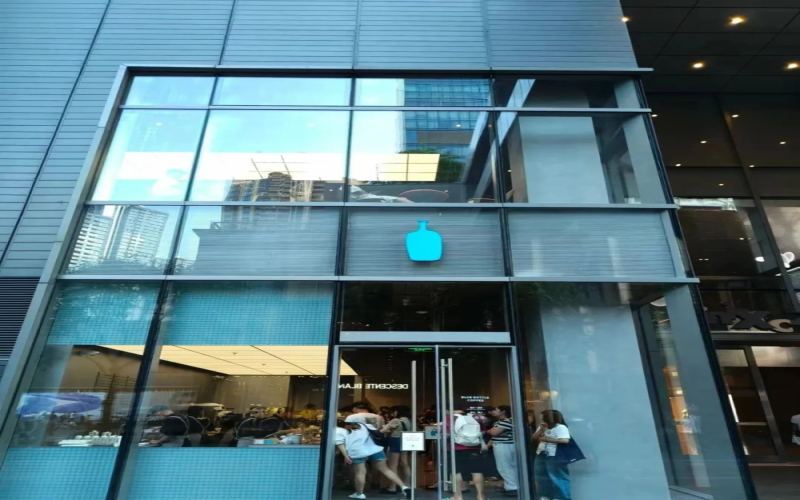
Blue Bottle Coffee's first South China store opens in Shenzhen MixC World, with a limited-edition blue dripper debuting alongside
Blue Bottle Coffee has officially announced the opening of its 9th store, located in Shenzhen MixC World, marking the brand's first entry into South China. The new store is designed by the Hong Kong young architect team COLLECTIVE, with the concept of "blue imagination related to the sea," incorporating the character of Shenzhen as a future city. The first floor of the store is the coffee preparation area, and the second floor is the customer enjoyment area, with varying shades of blue running through the bar, shelves, stairs, and tables and chairs. Most notably, the store launches the world's exclusive first blue dripper, which is only used and sold at the Shenzhen store. On the opening day, the queue once lasted up to two hours, and it returned to normal the next day. In addition, it is rumored online that Blue Bottle Coffee may enter Chengdu Taikoo Li and Xi'an MixC, and its expansion pace is worth watching. [more…]
A Complete Guide to Buying Coffee Equipment and Coffee Machine Maintenance
To make a good cup of coffee at home or in a shop, choosing the right equipment and doing daily maintenance are equally important. This article systematically sorts out the key points for purchasing common coffee equipment, from Turkish coffee pots, Neapolitan flip brewers, and siphon brewers to semi-automatic espresso machines, water drip coffee makers, American coffee machines, and moka pots, including the suitable roast levels and grind sizes, and also provides reference prices and purchasing suggestions for commercial equipment. At the same time, it explains in detail the cleaning process for coffee machines, the backflushing steps, and the precautions for using glass equipment, helping coffee enthusiasts and professionals extend equipment lifespan and maintain consistent product quality. [more…]
A Complete Guide to Buying Jamaican Blue Mountain Coffee: Market Trends, Channel Comparison, and Pitfall Avoidance
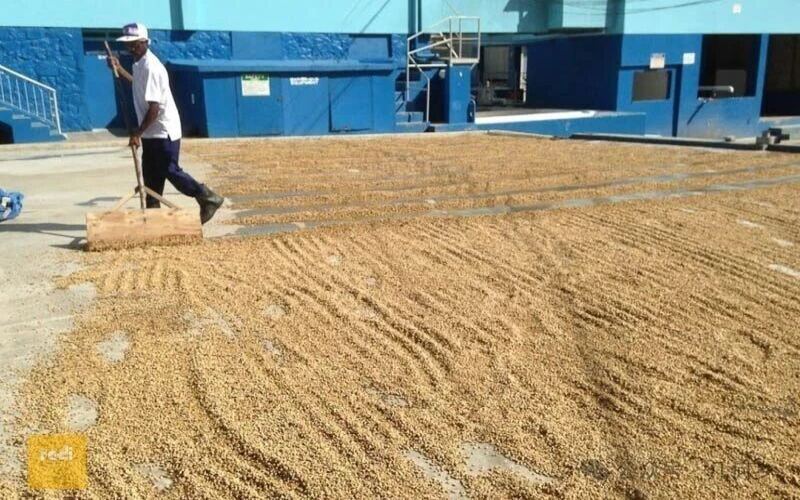
Blue Mountain coffee originates from Jamaica's Blue Mountain region at an elevation of 2,256 meters. Thanks to fertile volcanic soil, abundant rainfall, and suitable temperature and light conditions, it boasts outstanding quality. However, its annual output is less than 2,500 tons, and due to historical reasons, most of it is bought up by Japan's UCC, resulting in a long-term supply shortage. In earlier years, the lack of proper import channels in China led to a flood of counterfeits and widespread misunderstandings. Today, purchasing channels have diversified, including Front Street Blue Mountain No. 1, UCC buying agents, Taobao bulk offerings, authorized distributors, and green bean traders. This article reviews the latest market conditions and the pros and cons of each channel, and reminds you to watch out for issues such as confusion over Blue Mountain flavor profiles and chaotic pricing, helping you make rational choices when buying authentic Blue Mountain coffee. [more…]
An Analysis of Jamaican Blue Mountain Coffee Bean Origin Characteristics, Brewing Methods, and the New Direct-to-China Sales Landscape
Blue Mountain coffee comes from the Blue Mountains in western Jamaica, with an annual output of only about 700 tons. It is famous for its balanced and intense flavor profile—acidity, aroma, body, and sweetness—tempered by a slight bitterness, making it the finest among single-origin coffees. Due to its scarce production, "specialty Blue Mountain" blends based on Blue Mountain beans are commonly found on the market. To fully showcase the Blue Mountain flavor, the siphon is widely recognized as the most suitable brewing device, as it is easy to operate and extracts comprehensively. Meanwhile, the Jamaican authorities have signed an agreement with the Hangzhou Coffee and Western Food Industry Association, allowing Blue Mountain green beans to be sold directly to China, bypassing Japanese agents, which is expected to significantly reduce costs. Front Street Coffee recommends paying attention to this change, which will bring enthusiasts a purer Blue Mountain experience. [more…]

Exploring the Nairobi Coffee Exchange in Kenya: Auction Mechanisms, Historical Evolution, and Industry Impact
Kenyan coffee is world-renowned for its layered, complex flavors and bright, juicy acidity, and enthusiasts who frequently work with Kenyan beans have likely heard of an institution called the NCE. The NCE, or Nairobi Coffee Exchange, is a coffee trading platform established by the Kenyan government and an indispensable link in the country's coffee supply chain. This article will walk you through how the NCE operates, its historical origins, and the role it plays in Kenya's coffee industry, while also tracing the institutional changes from the colonial period to independence, and how coffee farmers and cooperatives export their coffee to the world through auctions or direct sales. [more…]
How to Fix Kenya AA Pour-Over That's Too Sour? A Complete Breakdown from Regional Grading to K72 Washing
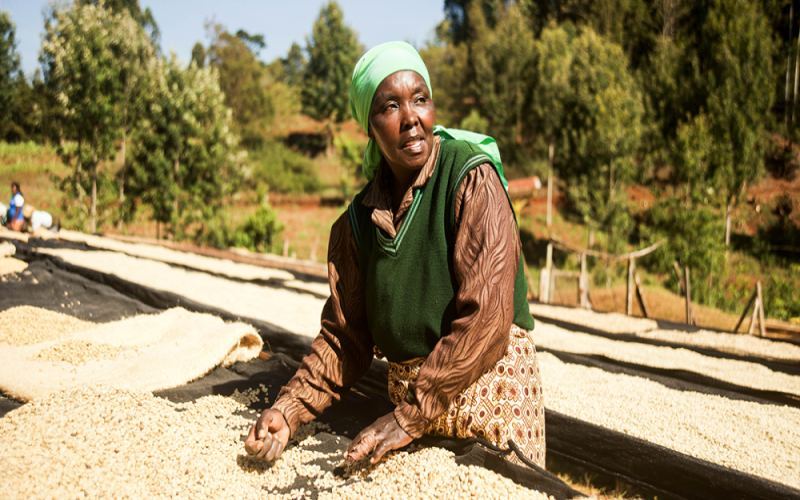
Kenyan coffee is famous for its bright acidity, but many enthusiasts who pick up AA-grade pour-over beans are often troubled by that powerful acidic sensation. From the perspective of Front Street Coffee, this article systematically sorts through the development of Kenyan coffee—the refined management brought during the British colonial period, the selection and breeding of SL28 and SL34, the unique grading and auction system, and the iconic 72-hour washed processing method. It also explains in detail the terroir differences of core producing regions such as Nyeri, Murang'a, and Kirinyaga, and includes the roasting curves and pour-over brewing parameters for two Kenyan beans from Front Street, helping you understand where the acidity comes from and how to make peace with it during brewing. [more…]